
Introduction
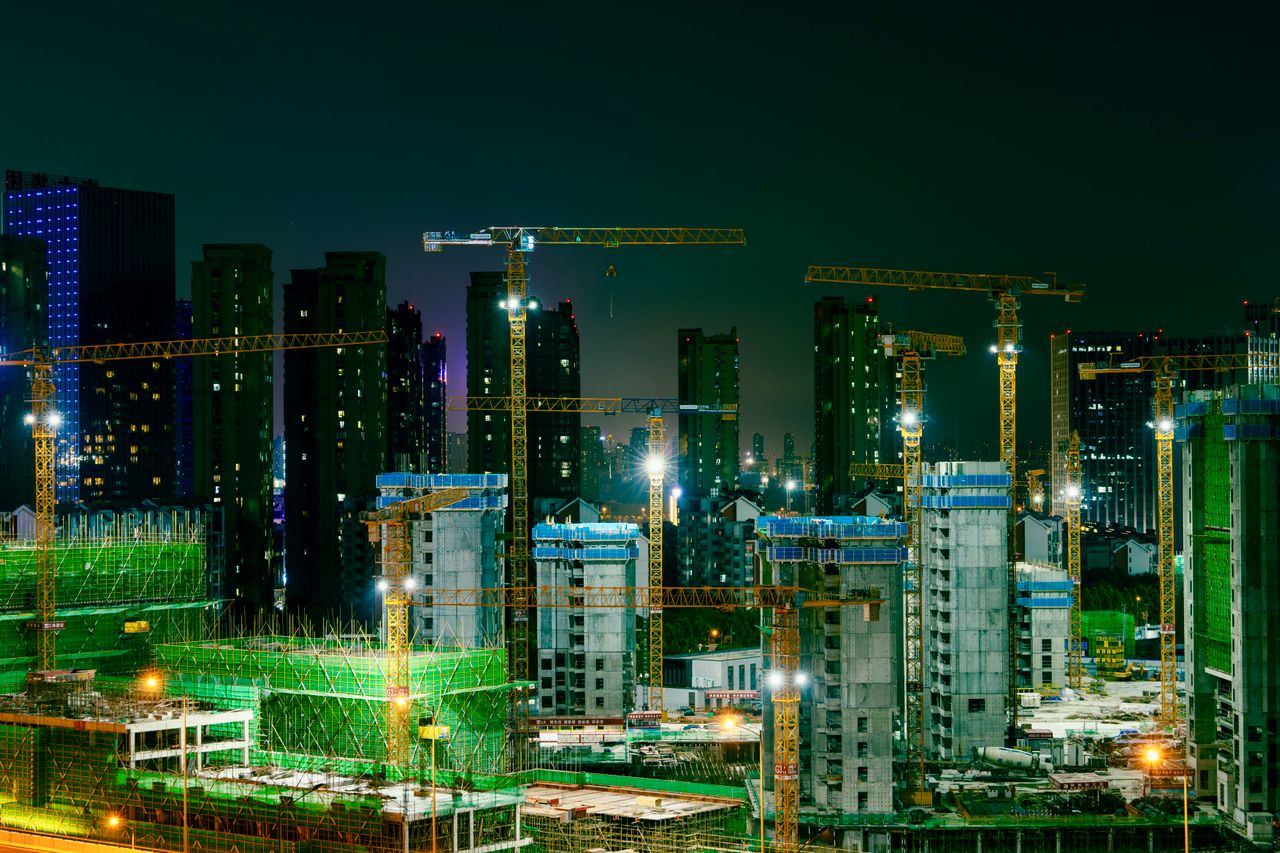
India is undergoing one of the world’s largest infrastructure transformations. Massive investments in highways, airports, railways, urban transportation, industrial corridors and smart cities are reshaping the country’s economic landscape. Both central and state governments are prioritizing infrastructure development to improve connectivity, boost industrial growth and enhance the quality of life for millions of citizens.
Modern engineering technologies, digital project management platforms and sustainable construction practices are accelerating project execution while reducing costs and improving efficiency. Public-private partnerships (PPPs) are also playing an important role in attracting investments and delivering world-class infrastructure projects across the country.
Current Situation
Over the past few years, India has significantly increased capital expenditure on infrastructure projects. National highway expansion, dedicated freight corridors, metro rail systems, airport modernization and renewable energy infrastructure continue to receive strong policy support.
Urban development initiatives are encouraging the construction of smart cities equipped with advanced digital infrastructure, intelligent transportation systems and environmentally sustainable buildings. Several large industrial corridors are also improving logistics, manufacturing capabilities and regional economic development.
The private sector continues to participate actively through engineering, procurement and construction (EPC) contracts, infrastructure financing and technology partnerships. Advanced technologies such as Building Information Modeling (BIM), drones, artificial intelligence, GIS mapping and IoT-enabled monitoring systems are becoming increasingly common across major projects.
Key Highlights
- Expansion of national highway and expressway networks
- Rapid development of metro rail projects in major cities
- Smart city initiatives integrating digital infrastructure
- Airport modernization programs improving passenger experience
- Dedicated freight corridors strengthening logistics
- Renewable energy projects supporting sustainability
- Growing adoption of prefabrication and modular construction
- Increased investment in industrial corridors
Industry Impact
Infrastructure development continues to generate significant employment opportunities across engineering, construction, manufacturing, logistics and technology sectors. Large-scale public investments stimulate demand for cement, steel, heavy equipment, construction machinery and professional consulting services.
Technology is also transforming the industry. Companies are increasingly adopting BIM, AI-powered project management platforms, digital twins and predictive analytics to improve planning, reduce delays and optimize costs. Sustainable construction practices are becoming standard as environmental regulations evolve.
Financial institutions, infrastructure investment trusts (InvITs) and global investors continue to view India’s infrastructure sector as one of the country’s strongest long-term investment opportunities.
Future Outlook
India’s infrastructure pipeline is expected to remain one of the largest globally over the coming decade. Continued government spending, foreign direct investment, private participation and policy reforms are likely to accelerate project delivery across transportation, housing, renewable energy and urban development.
Emerging technologies including robotics, autonomous construction equipment, drone surveying, AI-assisted monitoring and smart asset management will further improve efficiency, safety and sustainability. Green infrastructure and climate-resilient engineering practices are expected to become central to future project planning.
As cities expand and industrial demand increases, integrated infrastructure planning will remain a key driver of national economic growth and global competitiveness.
Conclusion
Infrastructure development remains one of India’s strongest economic growth engines. Strategic government policies, technological innovation, private investment and sustainable engineering practices are collectively transforming the country’s transportation networks, urban environments and industrial capabilities.
With continued focus on modernization and resilience, India’s infrastructure sector is well positioned to support long-term economic development, attract global investment and improve the lives of millions of people across the nation.


